Term 3 | The Way Newsletter | Friday 24 July 2026

Latest UpdatesBack to Top

From the Principal
Principal

Welcome to Term 3. I hope the mid-year break has brought refreshment and some fun in readiness for the semester ahead. A new term always brings with it a sense of possibility, and Term 3 is particularly significant in the life of a school. It marks both a mini fresh start and an important opportunity to consolidate goals, strengthen habits and deepen understanding.

For our learners, this point in the academic calendar is an exciting one. Having completed the first half of the year, students are now ready to apply the skills and knowledge with confidence to new units of work and challenges. It is a time to build on what has already been learned and to ask deeper questions. Please encourage your children to start well and be prepared to persevere.

This weekend Thomas Hassall will host the Sydney Regional RoboCup Junior competition. RoboCup Junior is a project-oriented educational robotics initiative that encourages young people to develop STEM skills through hands-on challenges, creativity, teamwork and problem solving. It is especially exciting that this will be the first time our students have competed in RoboCup.

In many ways, our students will step onto a new stage this weekend as new learners themselves. They will have the opportunity to test their robots, respond to unexpected challenges, learn from others and show their skills in a very different environment. These are precisely the kinds of learning experiences that help students grow and develop character. The competition is focused more on learning and enjoyment and I am looking forward to seeing our students collaborate whilst becoming effective problem solvers on the day.

Term 3 also marks the final term of formal schooling for our Year 12 students. Very soon they will sit their Trial HSC examinations. This can naturally be a time of nerves and pressure, but it is also an important opportunity for students to demonstrate what they know, what they understand, and what they are able to do. During the break, the College was pleased to support Year 12 students through onsite study days, and I was delighted to see so many students make the most of this time to study and prepare well.

We wish our Year 12 students every blessing as they enter this important season. Please be in prayer for them as they sit their exams.

This year, our College theme has been Discover. It is a word rich with meaning. To discover is more than simply to find something. It is to enter a journey of exploration. Discovery can mean uncovering something previously unknown, recognising new possibilities, or realising potential within ourselves.

There is great hope in the idea of discovery. It encourages students to see challenges not simply as obstacles, but as opportunities to grow in wisdom and character. Whether in the classroom, on the robotics stage, in study for the HSC, on the sporting field, in creative pursuits or in acts of service, discovery calls us to engage deeply and to look for what can be learned.

Call to me and I will answer you and tell you great and unsearchable things you do not know.
Jeremiah 33:3


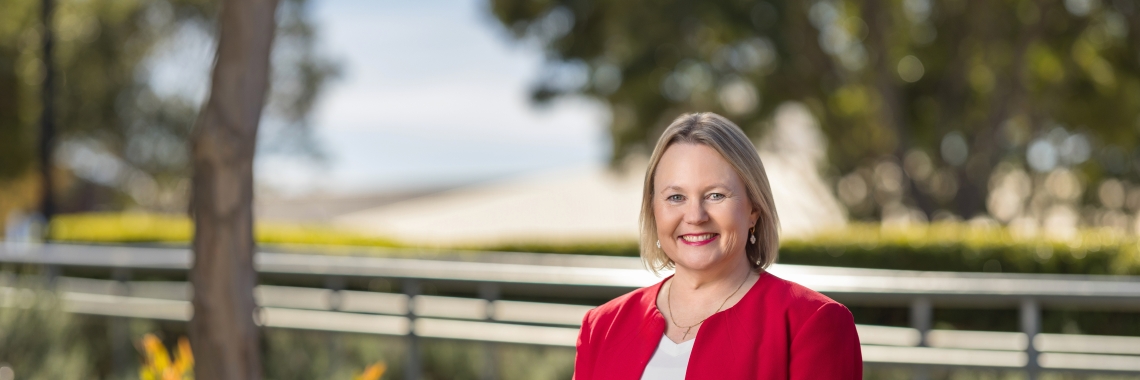
Mrs Karen Easton
Principal
From the Deputy Principal
Chris Wyatt

Last term finished on a great high as the College community came together to share our differences and commonalities as we celebrated Unite Week. There were many highlights across the week but perhaps the most powerful was the opportunity to sit and listen to one of our students speak about her personal experience and the opportunity that exists for each of us to promote unity on a daily basis.

As I listened to Malaika share her story, I was reminded about the power of student voice, personal experience and learning from one another. With her permission, I am delighted to share her address as I believe it is worthy of all of our attention.

Good morning, everyone. Let me start with a simple question. When you hear the word "immigrant," what comes to mind? Be honest.

For many people, it's not a person. It's a stereotype. Someone with a thick accent. Someone who struggles with English. Someone who looks different, sounds different, and somehow doesn't quite belong.

Whether we realise it or not, we often place immigrants into a box before we get to know them. People think they know what an immigrant looks like. They think they know our stories before we've even had the chance to tell them.

But I want to challenge that today. Take me, for example.

I attend a private school. I speak English. If you looked at me, the word "immigrant" probably wouldn't cross your mind.

Yet, I am an immigrant. I am Pakistani-Australian. My dad is from Pakistan, my mum is Australian, and for the first thirteen years of my life, Pakistan was not just where I was born; it was home.

Like any place, it had its challenges. We dealt with seven to eight power cuts at a time, all year round. We had to buy bottled drinking water, and sometimes got caught in dust storms. But I also grew up surrounded by family. There was always somewhere to go, someone to see, and food to be shared. It was loud, vibrant, chaotic, and full of life.

It was familiar. It was everything I had ever known.

Because my mum is Australian, I used to come here on holiday every few years. But let me tell you right now: visiting a country for two weeks and moving your entire life there are two completely different things.

I had to learn that the hard way in 2021.

Getting on that plane was one of the hardest things I have ever done. My family was flying into complete uncertainty. We didn't have a house waiting for us. My parents didn't have jobs lined up. This didn't feel like a trip. It felt like I was closing a chapter of my life and opening a new one, except I had no idea what that new chapter would look like.

Sitting in that aeroplane seat, I wasn't excited. I was terrified. I didn't know what school would be like. I didn't know if Australia would ever feel like home.

When the plane landed, the first thing that hit me wasn't the landscape. It was quiet. Coming from the organised chaos of Pakistan, the neat suburban streets of Australia felt surreal. Back home, life happened out in the open. Here, everything seemed hidden behind closed doors and manicured lawns.

For the first time in my life, I felt completely out of place. And like any thirteen-year-old, I just wanted to belong.

At first, there were plenty of cultural misunderstandings. For months, I had no idea what the word "Maccas" meant, and my friends found my confusion hilarious. I found it strange that there were no security walls around houses. In Pakistan, every house has a six-foot brick wall with a gate.

Those misunderstandings were harmless. But there is a huge difference between laughing about local slang and making assumptions about someone's intelligence, education, or worth because of where they come from or what they look like.

Unfortunately, I learned that difference pretty quickly.

I dealt with lazy jokes asking if I was related to every other South Asian student in my year group. I heard casual racial slurs, like “curry muncher”, thrown around and laughed off as harmless banter.

What struck me most wasn't even the comments themselves. It was how normal they seemed. It's always funny when it's somebody else's culture. But the moment the joke targets your own culture, suddenly it's recognised as disrespectful, hurtful, and racist.

And I want to acknowledge something important here. My story is not the hardest immigrant story. Not even close. I moved here with my family. I spoke English. I attend a private school and have been given opportunities that many people can only dream of. Some people have arrived in Australia carrying trauma I can't begin to imagine. Some have spent years in refugee camps. Some have left behind family members they may never see again. Others have arrived with nothing but the clothes on their back.

Refugees are often forced to leave their homes, not because they want to, but because staying would put their safety, freedom, or even their lives at risk. Others face discrimination in workplaces, struggle with language barriers, or spend years rebuilding a life from scratch in a country that feels completely unfamiliar.

Compared to stories like those, my journey was extraordinarily easy. And yet, even with all of those advantages, I was still placed into a box before people got to know me.

If I could be reduced to a stereotype, imagine how often that happens to people whose differences are far more visible than mine.

But here's the truth: Immigrants are not one thing. There is no single immigrant look. There is no single immigrant personality. And there is definitely no single immigrant story.

Some people move countries for work. Some move for family. Some move for education. Others arrive as refugees, forced to leave their homes because they have no other choice. In fact, many people use the words immigrant and refugee interchangeably, but they are not the same thing. One chooses to move. The other is often left with no choice at all. Those experiences are completely different.

Yet we often throw everyone into the same category and assume we understand them. We don't. Every person carries a different story.

So why do we treat immigrants as though they're all the same? And even more importantly, why do we treat them like outsiders? Because they're not.

Immigrants are not separate from Australia. They are Australia. In fact, unless you are Aboriginal or Torres Strait Islander, immigration is part of almost every Australian family's story because somebody in your family arrived here hoping for a better future.

Immigrants don't just belong in Australia. They help build it. They teach in our schools, work in our hospitals, run businesses, coach sporting teams, and share cultures, traditions, food, languages, and ideas that diversify this country, making it richer and stronger.

When the FIFA World Cup comes around, the energy in this country is unmatched. What makes Australia unique is that we get to celebrate our global roots while standing shoulder-to-shoulder for the Socceroos. Many Australians proudly cheer for their home countries while simultaneously backing the Socceroos. This dual loyalty doesn't divide us; it enriches us. Our diverse heritages make our community more vibrant, connected, and exciting.

So I want to leave you with a challenge today.

The next time you meet someone from a different background, don't rush to define them. Don't reduce them to a stereotype. Don't put them in a box before they've even had the chance to speak.

Instead... ask questions. Listen. Get to know them as a classmate, a teammate, a neighbour, or a friend.

Because when we stop dividing people into "us" and "them," we realise something important: There was never really an "us" and a "them" to begin with.

Just people. People trying to belong. People trying to build a future. People trying to find a place to call home.

Australia does not succeed despite immigration. Australia succeeds because of it.

Thank you.


Mr Chris Wyatt
Deputy Principal
From the Head of Senior School
Jason CB

In 1981, at the age of 28, Australian singer and songwriter Billy Field wrote and sang:

"Can't help myself, bad habits
Well, I'm running wild, lost control
And it's a shame to think
That a boy like me
Has got so many bad habits"

Modern neuroscience on brain plasticity would disagree! We can help ourselves and it would be a shame to think we can’t. 

In James Clear’s book Atomic Habits, breaking goals into tiny chunks leads to changes in the brain (rewiring) that create long-term behavioural change. Micro-habits are a series of small, easy-to-do actions that, when done consistently, lead to bigger habits naturally.

Big and bold goals - such as "I want to lose weight" or "I want to get A's in all my subjects" can be overwhelming and set us up for disappointment. Instead, start smaller: "I will leave unhealthy food off the shopping list" or "I will spend 15 minutes a day reviewing key content from class." Once in place, these habits can grow into cutting out sugary drinks or studying for 45 minutes.

I often tell students keen to improve their study habits that the hardest part is the first 15 seconds. Once that threshold has been passed, the rest will follow. Fortunately, it is not just young brains that are plastic and reprogrammable; adults can change habits too by starting small and staying consistent!


Mr Jason Corbett-Jones
Head of Senior School
From the Chaplain
Denis Oliver

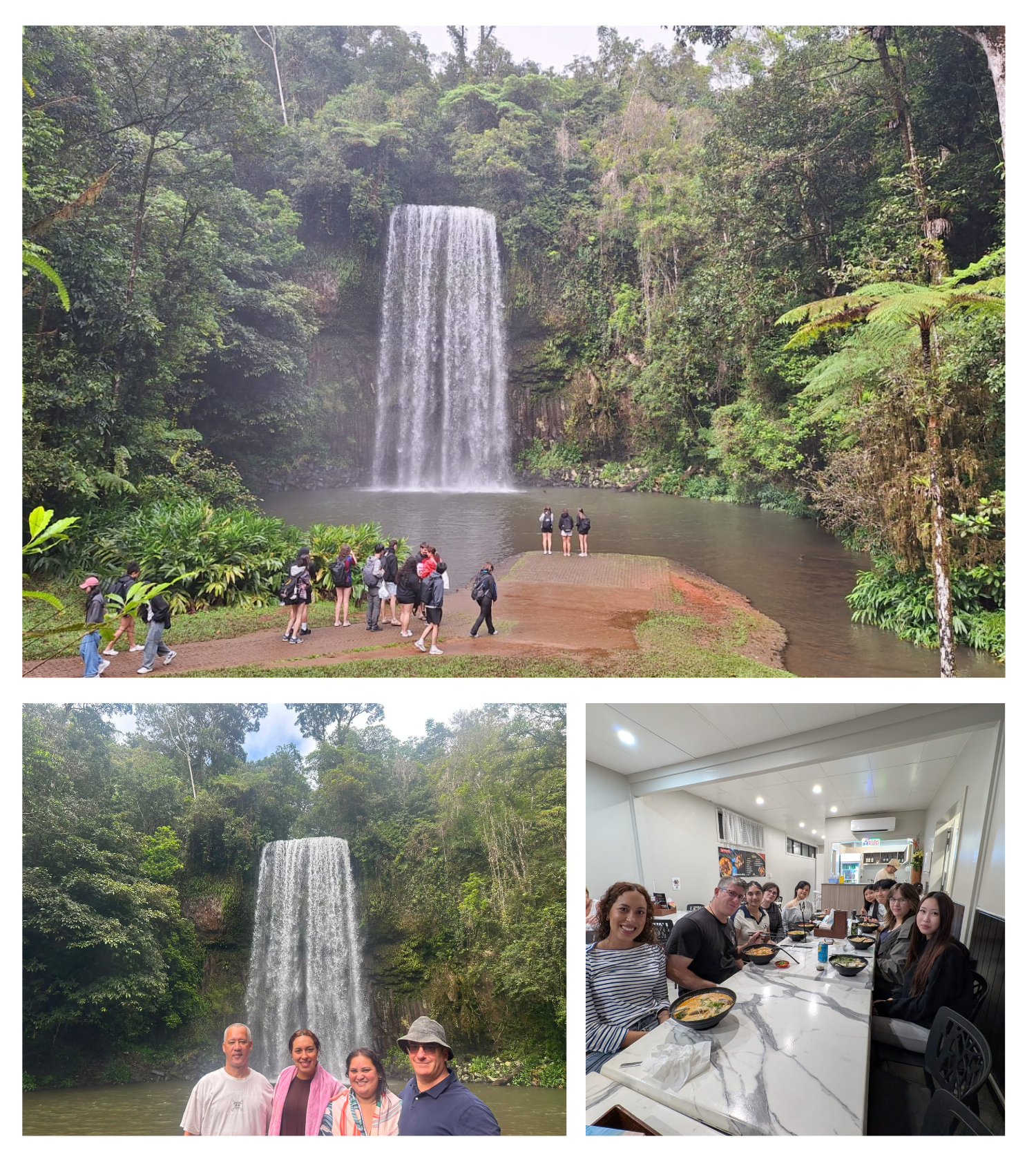
During the holidays, I attended a five-day College excursion. It was an outstanding time of learning. We visited Green Island, the Daintree Rainforest, the Great Barrier Reef and a research banana plantation. The experience was both eye-opening and challenging. Let me share a few key insights.

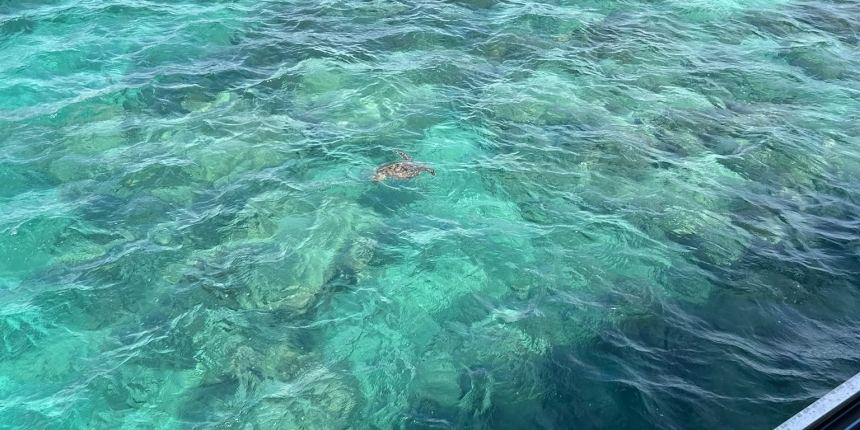
From the Green Island biologists, I learned that seemingly invisible microplastics are polluting our oceans and killing turtles. We spent time on a tropical beach, and I was surprised by how much plastic we found washed ashore.

Next, we travelled to the Daintree Rainforest and listened to lectures from a local elder. He described the Daintree, in his words, as "Chemist Warehouse and Bunnings combined for the local people." His view of the environment was shaped by stewardship: people must care for the land just as it cares for them.

denis 25.6

The third location that deeply affected me was the banana plantation. We learned from a researcher that many farming practices exploit the land because profit has the final say. Chemicals are used to maximise productivity, leaving the environment depleted. His approach, however, focused on understanding the ecosystem and maintaining balance for long-term returns. The sad reality is that our current posture toward the land is often abusive, taking whatever we can rather than keeping it healthy.

During the bus trips between these locations, I found myself reflecting. We often seem content to pollute the environment as long as the consequences do not affect us directly. We readily exploit creation to serve our own needs. Yet there is another way: the steward's approach, working with nature rather than against it to preserve its health.

I wonder how God feels about all this. I suspect He is grieved when His creation is polluted, abused and exploited. Genesis 2:15 tells us that humans were created to work and care for creation. To be Christian is to be a steward of God's creation. Our bodies, our relationships, our students, our staff, and even our College grounds belong to God. To be Christian is to care for these things, to own our mistakes, and to work faithfully toward restoration and health.

The polluter, the exploiter, the steward - three approaches to the environment and to people. We all have a choice. As for me, I commit to being a good steward of our staff and your children.

Reverend Denis Oliver
College Chaplain
The Staffroom Series

Welcome to The Staffroom Series, a new feature where we introduce you to some of our teachers and support staff across the College.

Through this series, we will learn a little more about their roles and get to know the people behind the work they do each day.


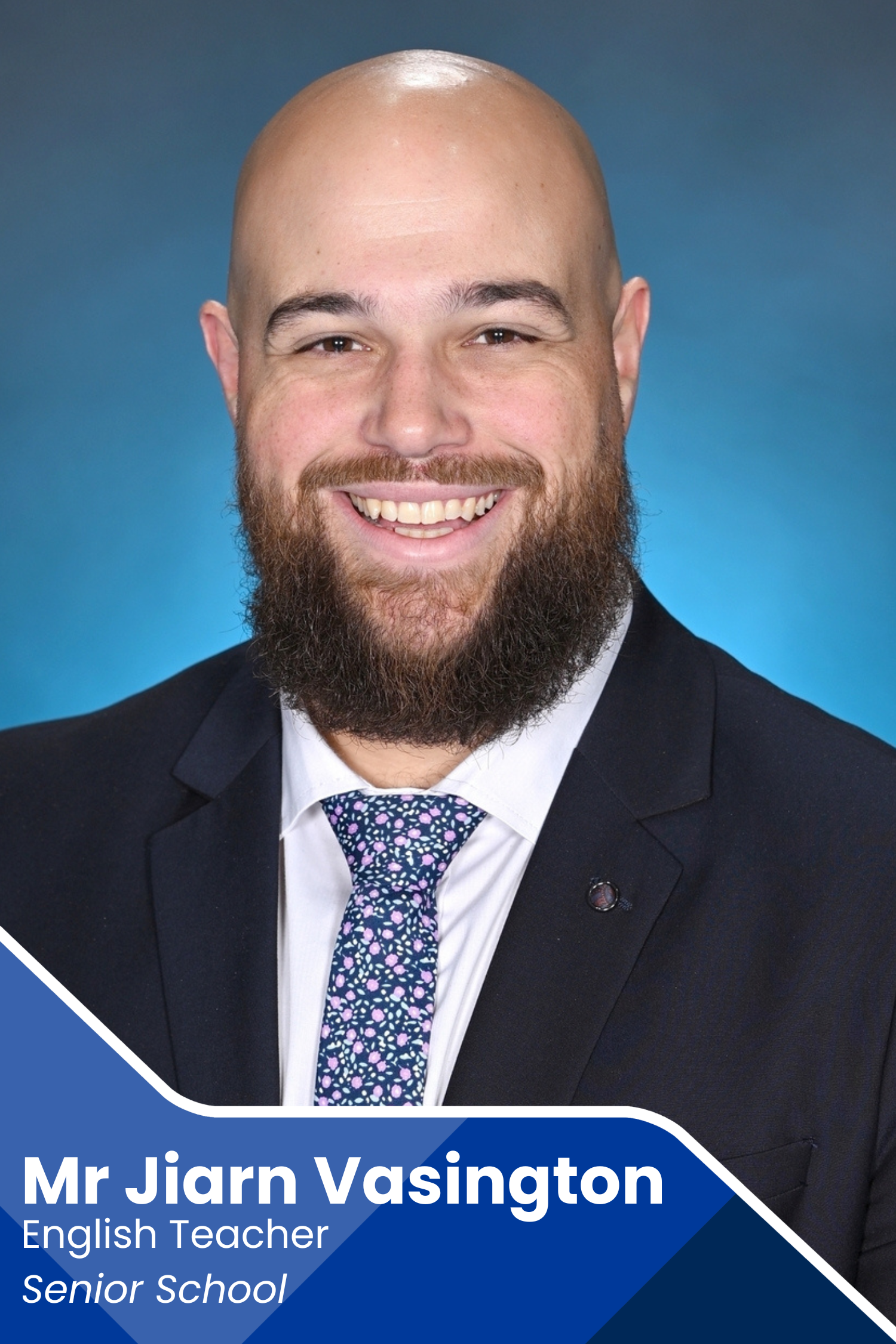
jiarn

What is your role at the College and how long have you been here?

This is my sixth year at Thomas Hassall. First and foremost, I am an English teacher, though I also wear a couple of other hats at the College. I am currently one of the Year 8 Advisors, as well as the Liddell House Advisor.

What do you love about teaching at Thomas Hassall?

I get a lot of fulfilment from seeing students encounter new ideas and gradually come to understand them more deeply. It is incredibly rewarding to watch students think critically, debate ideas and push themselves beyond simply receiving information. In an age where technology and artificial intelligence are becoming more and more prominent, I think that kind of deep, independent thinking is more important than ever.

With regard to the College, I have always felt welcome and like I belong. That sense of belonging has come from the students, the staff and the wider community. There is a lot of life at Thomas Hassall, and the longer I teach here, the more it feels like home. I have also had the pleasure of building some lifelong friendships here at Thomas Hassall, which speaks to the kind of place it is.

!

What is one thing students or staff might be surprised to learn about you?

I am generally an open book, but people who have not spoken to me much may not know that I am a big fan of horror films. Every year during October, I try to watch a horror film every day, which I appropriately call Shocktober. Beyond what we see visually, I think there is a lot we can take from the values, messages and ideas explored in film, and horror is no different. Additionally, I have been writing a novel for over a decade, since I was at university. I hope to publish it in the next five or six years, though it is still in the first draft stage.

If you weren’t a teacher, what would you be doing?

I have recently found a passion for nutrition, exercise and health, so if I were to change careers today, that is the field I would probably look into. Growing up, though, I always wanted to be a professional wrestler - I was and am still, a huge fan of Stone Cold Steve Austin.

Do you have a favourite Bible verse?

Philippians 4:13, “I can do all things through Christ who gives me strength.”

This is a verse I return to constantly. I am a very dedicated and goal-oriented person and I do not give up on things easily. This verse is a daily reminder that through Christ, I can face challenges, big or small, with strength and perseverance.

Share a learning moment that has brought you joy recently.

As English teachers, we place a lot of value on guiding students in the development of their analytical writing. As students progress through school, we are constantly trying to strengthen and refine those skills. Earlier this year, while working with Year 10, I was teaching students how to sophisticate and complicate their analytical writing. Sometimes, when there is silence during a lesson, it can go one of two ways: either students are deeply engaged, or they are completely lost. After following up with some of the students after the lesson, it was encouraging to hear that they had mostly understood the concepts and skills we had been working on. Moments like this are particularly rewarding because they show students wrestling with new ideas, trying to make sense of them, and gradually developing greater confidence in their own thinking. As a teacher, it is always joyful to know that what you are doing is making a difference. Teaching the next generation is powerful, but it is also a huge responsibility, and I do not take that for granted.


What is your role at the College and how long have you been here?

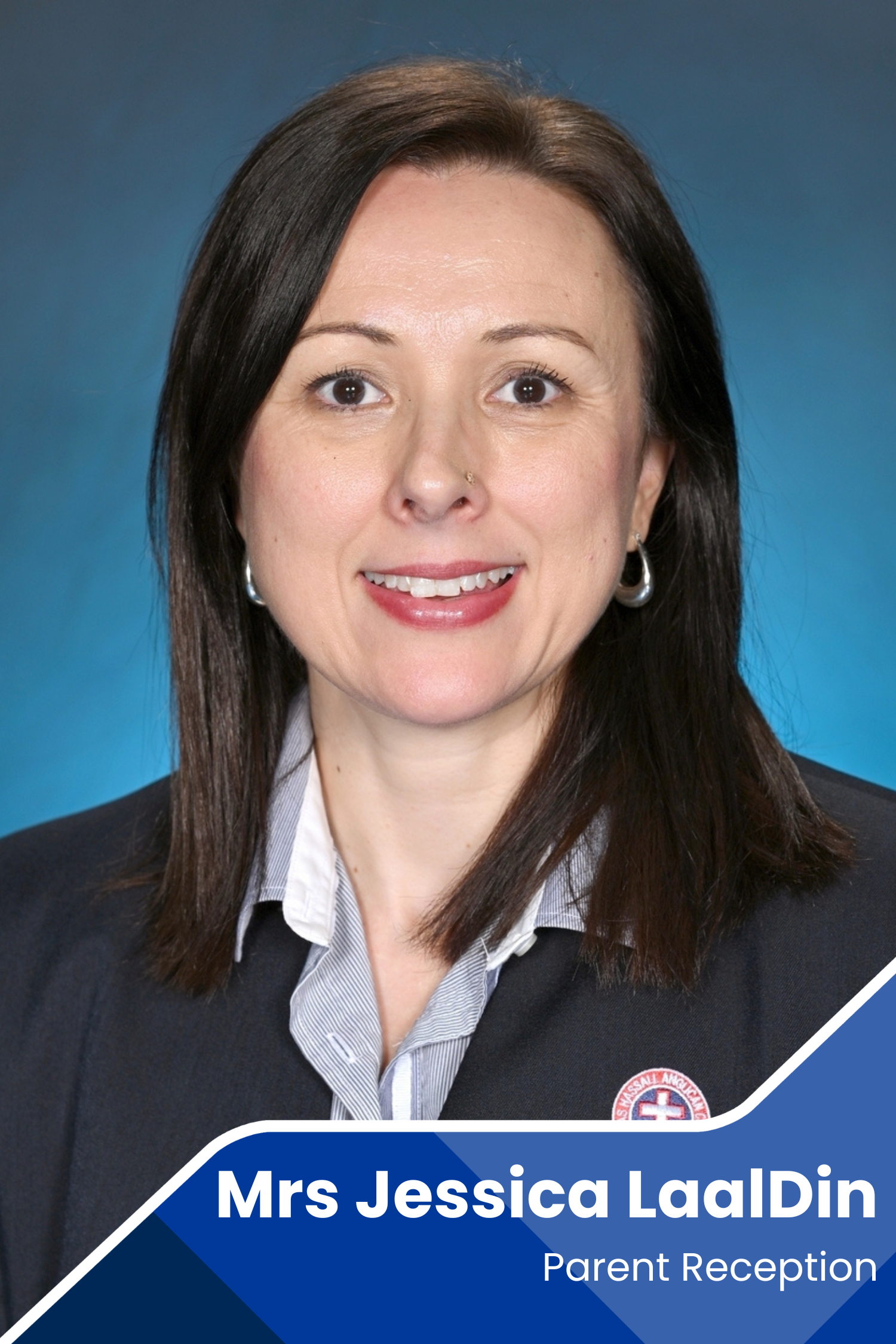
I work at the Parent Reception desk in the Main Office. I've been at Thomas Hassall for a year and a half.

What do you love about teaching at Thomas Hassall?

 I love working in a Christian environment and being surrounded by such supportive and wonderful colleagues.

!

What is one thing students or staff might be surprised to learn about you?

I absolutely love spicy food. I can happily eat whole fresh green chillies!

If you weren’t in your current role, what would you be doing?

I'd love to be an audiobook narrator or spend my days writing a kids book or novel.

Do you have a favourite Bible verse?

"Delight yourself in the Lord, and He will give you the desires of your heart." Psalm 37:4

Share a learning moment that has brought you joy recently.

In my previous jobs, I always had to work during school holidays, so having school holidays off is something I really appreciate. It gives me valuable time to rest, recharge and spend time with my family.

jess


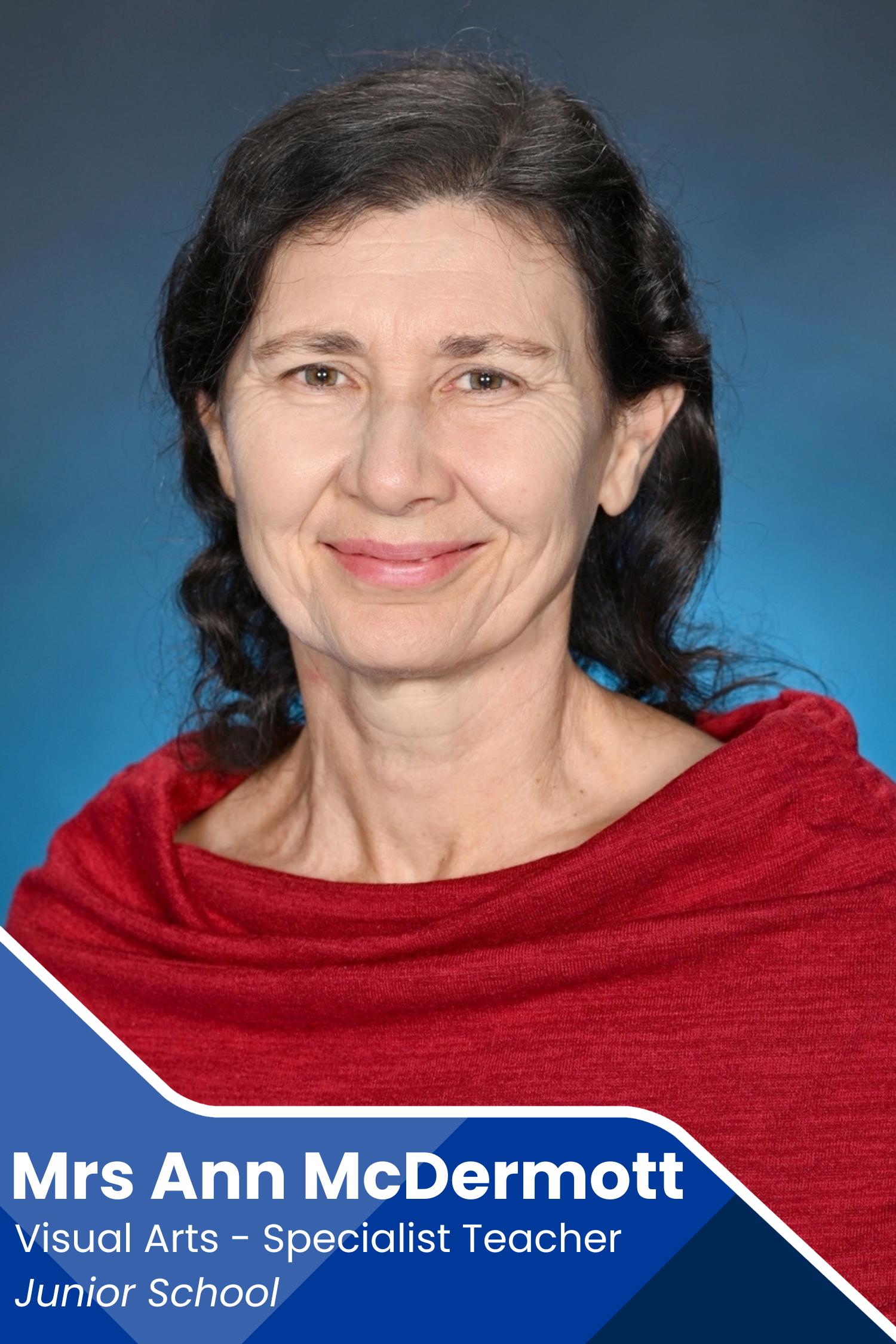
Ann

What is your role at the College and how long have you been here?

 I am a Junior School Specialist Teacher (Visual Arts) and this is my third year teaching at Thomas Hassall.

What do you love about working at Thomas Hassall?

I love being able to share my passion for Visual Arts with all the students from Year 1 through to Year 6 and encouraging them to be creative.

!

What is one thing students or staff might be surprised to learn about you?

Sometimes people are surprised to find out that I have five children, although I’m not sure what’s so surprising.  I guess I just like kids. I loved growing up in a big family and wanted my children to have that love and support from each other. My youngest two were born in South America.

If you weren’t in your current role, what would you be doing?

Making art!

Do you have a favourite Bible verse?

Matthew 6:19-21

Do not lay up for yourselves treasures on earth, where moths and rust destroy and where thieves break in and steal,  but lay up for yourselves treasures in heaven, where neither moth nor rust destroys and where thieves do not break in and steal. For where your treasure is, there your heart will be also.

Share a moment in your role that has brought you joy recently.

Teaching colour-mixing to our youngest students, it integrates learning across so many disciplines - part science, part maths and a whole lot of intuition and experimentation.  They just squeal with delight, “I mixed gold! I mixed pink!”

Upcoming Dates


Date

Event

Thursday 30 July Year 4 Overnight Camp
Friday 31 July   Takayama Visit
Monday 3 August Year 12 Trial HSC Begin
Wednesday 5 August 100 Days of Kindy - Open Classrooms from 8.30am
3-Day Prep - Teddy Bear Picnic 
Thursday 6 August 2-Day Prep - Teddy Bear Picnic 

Please see Sports Update articles for all important sporting dates.  

Donut Fundraiser

The Parent Community Network is running a Krispy Kreme Fundraiser to support College community events.

Order some tasty treats for you and your family and pick them up directly from the College. Orders must be received by Sunday 16 August. Late orders will not be accepted after this date to ensure delivery.

Orders will be ready to take home on Friday 28 August, just before the mid-term break – a sweet way to celebrate a long weekend!

-12 Original Glazed Dozen: $26.00
- Assorted Dozen: $34.00 (4x Original Glazed, 2x Strawberry Sprinkles, 2x Choc Iced, 2x Strawberry Jam, 2x Choc Iced Custard)

Order online www.thac.nsw.edu.au/book

UNITE WEEK

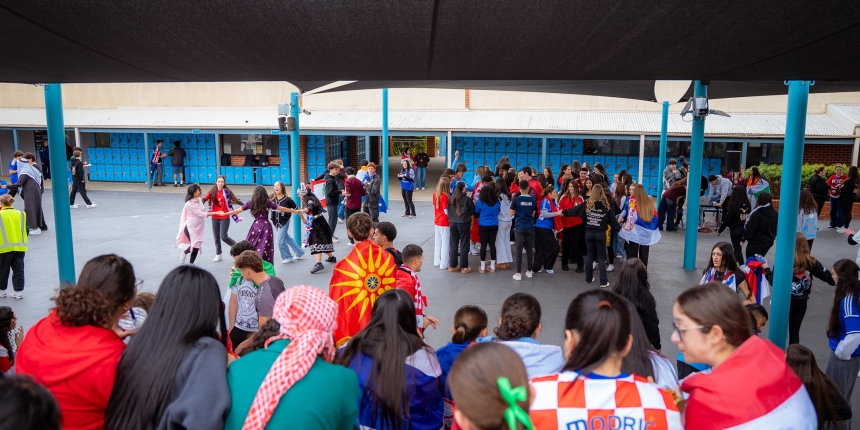
At the end of Term 2, students across Thomas Hassall Anglican College celebrated Unite Week, recognising the many cultures that make up our College community and the unity we share.

Throughout the week, Senior School students enjoyed a cultural food tasting, sampling cuisines from around the world, while both Junior and Senior School students learnt the Zorba dance in preparation for the week's celebrations. In Junior School, students also created colourful calico bags featuring their handprints, symbolising the many backgrounds represented across our community.

The week concluded with special assemblies and opportunities for students to come together in celebration. Senior School students enjoyed cultural dancing, food trucks and time spent as a community, while Junior School students gathered with their year groups to share in the festivities. Across the College, students also came together to cheer on the Socceroos as Australia took on Paraguay in the FIFA World Cup, sharing in the excitement and supporting our national team.

Unite Week was a wonderful opportunity to celebrate the diversity of our College, reminding us that our different cultures, shared experiences and mutual respect strengthen us as one community.

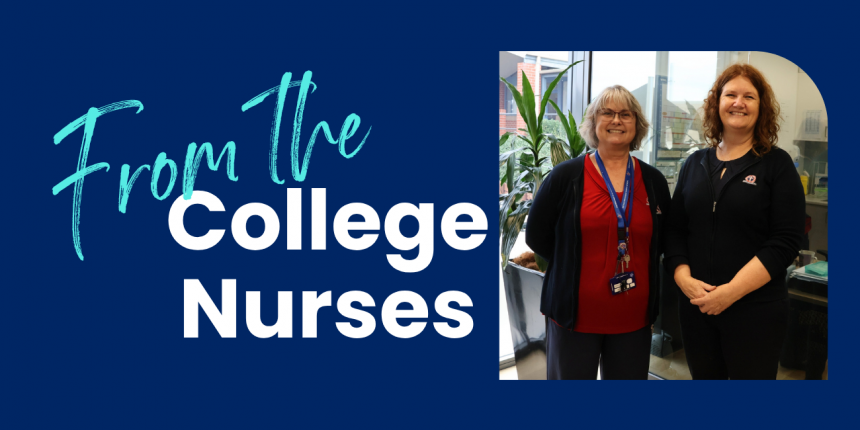
A Message from The College Nurses

We have noticed a large number of students in both the Junior and Senior School come to College each day without eating any breakfast.

Breakfast is crucial for students as it replenishes overnight energy and fuels cognitive function. Eating a balanced morning meal significantly improves focus, memory and academic motivation, which helps prevent mid-morning fatigue and reduces behavioural issues in the classroom.  

Beyond immediate cognitive boosts, a nutritious breakfast is highly beneficial for long-term student development:  

Academic Performance: 

Studies show that students who eat a healthy breakfast particularly one rich in whole grains and protein tend to score higher on standardised tests and achieve better grades in maths and reading.  

Enhanced Motivation: 

Recent research from Australian universities highlights that the quality of breakfast directly drives adaptive motivation in students, helping them stay engaged and see value in their learning.  

Better Behaviour: 

Skipping breakfast leads to a drop in glucose levels, causing students to become irritable, restless, and sluggish. A proper meal helps maintain emotional regulation.  

Overall Health: 

Breakfast provides essential nutrients like iron, calcium, and B vitamins that growing bodies need. It also helps kick-start metabolism, which is linked to maintaining a healthy weight and avoiding overeating later in the day.  

To maximise these benefits, a high-quality breakfast should combine complex carbohydrates for long-lasting energy, protein for muscle repair, and healthy fats or fruits for essential vitamins.  

For Teenagers: 

Probably the most appealing benefit is that breakfast jumpstarts your metabolism and, thus, helps you burn more calories throughout the day. 

When you eat breakfast you're telling your body that there are plenty of calories to be had for the day. When you skip breakfast the message your body gets is that it needs to conserve rather than burn any incoming calories. 

Ideas for Breakfast on the Go: 

  • Toast / cereal                                   
  • Up&Go 
  • Yoghurt / Muesli 
  • Milkshake / fruit smoothie                                                    
  • Fruit 
  • Muesli Bars/ Breakfast Bars 
  • Eggs - can be boiled the night before 

Ms Karen Tindall & Mrs Kate Fear
College Nurses

Navigating Gen AI Together

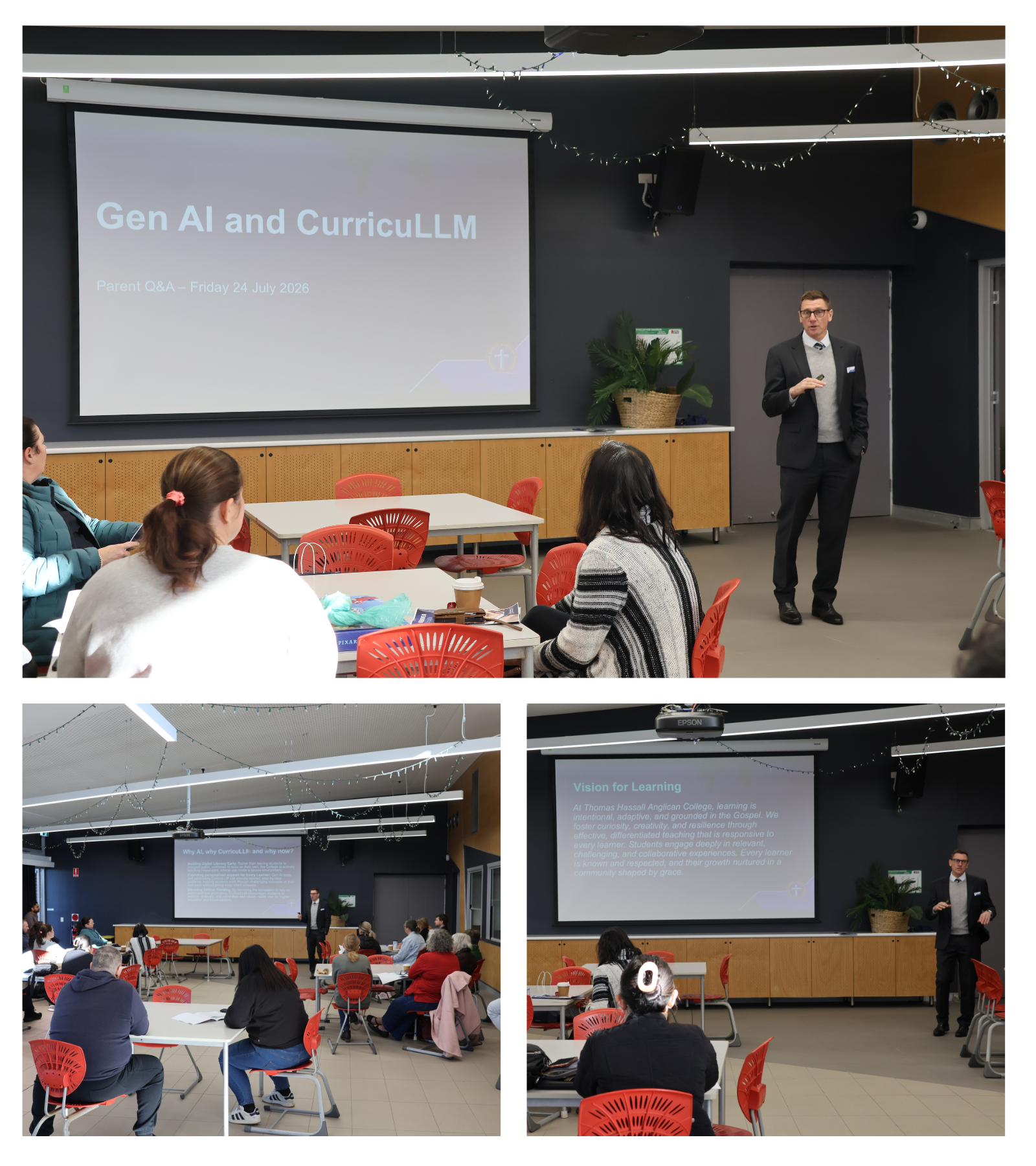
Thank you to the parents who joined us today for our first Cafe Chat Series session for the year.

Following last edition’s invitation, this session provided an opportunity for parents to connect with us for a relaxed conversation about Generative Artificial Intelligence and its place in learning.

Together, we explored how Gen AI is already changing the way students search, create, think and learn, and how the College can help students use these tools wisely, safely and with discernment.

Parents also heard more about the work of the staff working party, which has been exploring a range of Gen AI tools to identify what best suits our students and learning context. The College is working towards making an appropriate Gen AI tool available to students in Years 7–12 from early next term, with staff training and testing continuing in preparation.

Most importantly, the conversation focused on helping students become informed navigators of AI by understanding what Gen AI can do, recognising its limitations and using it responsibly.

ai

We are grateful to the parents who came along and contributed to this important discussion. The presentation slides and handout are available below for families who would like to learn more.


WellbeingBack to Top

Supporting Year 12 Students Through Trials

As Year 12 students across Sydney head into their trial exams, it’s completely natural for both teenagers and parents to feel the pressure. Trials are often the first time students experience a full exam block that mirrors the HSC, and the combination of high expectations, long study hours and uncertainty can create a stressful household.

Many parents feel their own tension rising alongside their child’s. It’s easy for parents to assume this stress is simply out of concern for their child’s future, but could it be that the pressure runs deeper? Is it possible that you are so invested in their academic performance because at some level their performance feels like a reflection of your parenting, your values, or even your identity? I strongly encourage you to reflect on this possibility. Understanding this dynamic is one of the most powerful ways to reduce stress at home.

school tv

The good news is that parents play a powerful role in reducing that stress - and in managing their own anxiety along the way.

1. Focus on encouragement, not pressure

Your child already knows these exams matter. What they need most is reassurance that their worth isn't tied to a mark. Parents can unintentionally increase pressure by frequently asking about study progress, predicting ATAR outcomes, or focusing heavily on results. Instead, acknowledge the effort they are putting in and remind them that trial exams are only one part of their educational journey. Phrases such as "I'm proud of how hard you're working" or "Just do your best" send a powerful message that your support is unconditional.

2. Create a calm, predictable home environment

During trial exams, students are often managing high levels of cognitive and emotional stress. A calm home environment can provide a much-needed refuge. Simple routines such as regular mealtimes, predictable household expectations, and minimising unnecessary conflict can help students feel more settled and focused. Parents can also support study by reducing distractions where possible and being flexible about non-essential commitments during the exam period.

3. Help them take healthy breaks

Many students push themselves too hard during trials, believing every spare moment should be spent studying. However, research consistently shows that rest is essential for learning, memory consolidation, and concentration. Encourage short walks, physical activity, screen-free breaks, proper nutrition, hydration and consistent sleep. Healthy breaks are not a waste of time, they help students return to study feeling refreshed and more productive.

4. Keep your own anxiety in check

It's natural for parents to feel concerned about their child's performance, particularly when the HSC feels so important. However, teenagers are highly attuned to parental emotions and can quickly absorb their parents' stress. Try to avoid repeatedly asking about marks, comparing your child with others, or closely monitoring every aspect of their study habits. If you find yourself feeling anxious, seek support from your partner, a friend, or another trusted adult rather than relying on your child for reassurance.

5. Stay connected without crowding them

Adolescents often want independence during stressful periods, but they still benefit greatly from feeling emotionally supported. Rather than constantly checking on their study, look for small opportunities to connect. A brief chat, sharing a meal together, driving them to school, or simply asking how they are coping can communicate care without adding pressure. Let them know you are available if they need support, while respecting their need for space and autonomy.

6. Model calm behaviour

Teenagers often take emotional cues from the adults around them. When parents respond to challenges with patience, perspective, and self-control, young people are more likely to do the same. Even if you are worried, try to project confidence in your child's ability to manage the demands of the trial period. Remaining calm, positive, and solution-focused helps create an atmosphere of reassurance and resilience, allowing your child to approach exams with greater confidence.

Trial exams are challenging, but they can also serve as a learning experience for students and parents alike. With calm support, realistic expectations, and a focus on wellbeing, families can navigate this period with far less stress and far more connection.

If you wish to access more detailed information, feel free to explore Surviving the Final Year in SchoolTV.


Mrs Jacoline Petersen
Director of Student Counselling.


Abide Lunchtime Group

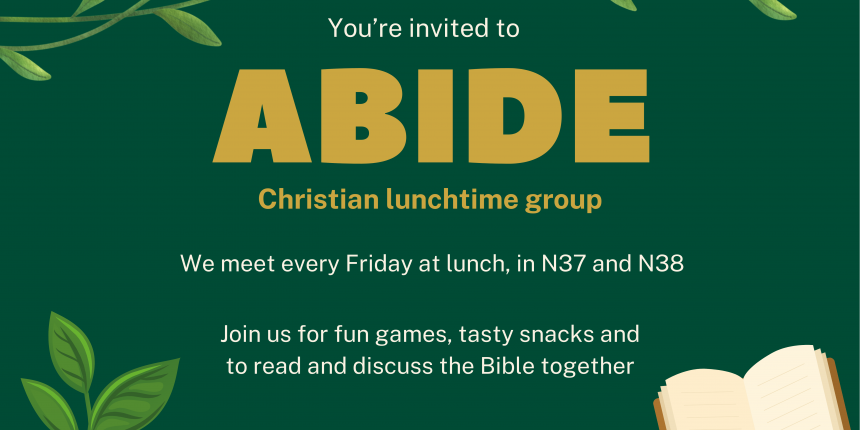
Our Senior School Christian lunchtime group has started back for Term 3! We meet in N38 and N37 every Friday lunchtime to play games, share some snacks, hear from the Bible and discuss it in small groups. This term our theme is “Jesus and…” and we will be looking at the way living for Jesus changes our lives.

All students in Years 7 – 12 are welcome! For more information, please contact Mr Mills, Mr Roper or Rev Oliver.

Mr Samuel Mills
ICT Leader, Year Advisor & History Teacher

LearningBack to Top

Year 12 HSC Trial Preparation

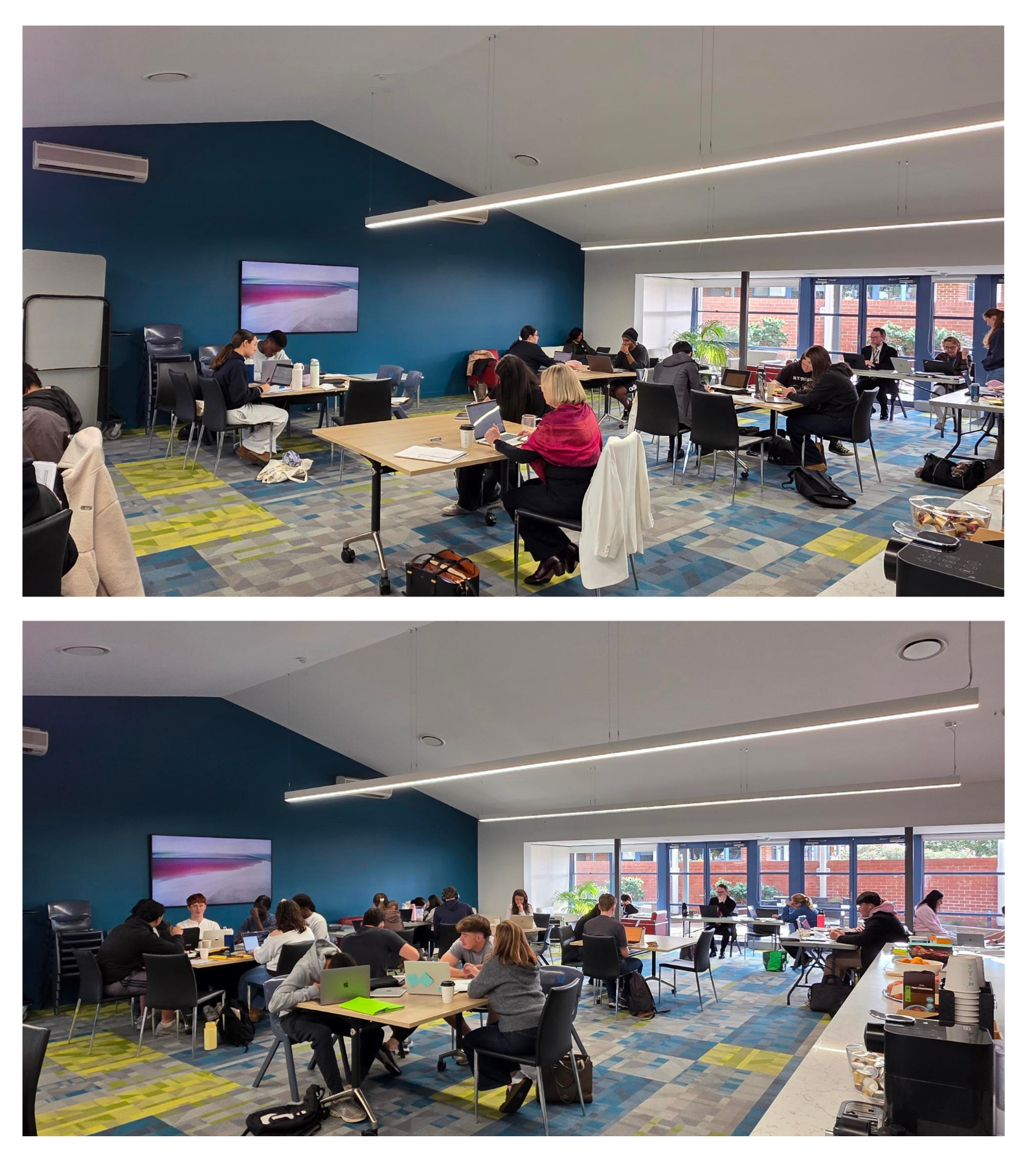
The College’s Year 12 Study Week, held from 13-17 July during the holiday break, proved to be a highly successful initiative, providing students with a structured and supportive environment as they prepare for their upcoming Trial HSC examinations.

With approximately 30 students attending each day, the Staff Centre became a hub of purposeful learning, where students committed themselves to revision, essay drafting, practice examinations, note-taking and reviewing key syllabus content... and a few friendly conversations! The consistent attendance throughout the week reflected a growing determination in Year 12 and their recognition of the importance of disciplined preparation during this stage of their studies.

study

Throughout the week, students worked largely independently. There were also opportunities to work collaboratively: sharing resources, discussing challenging concepts and encouraging one another as they worked towards their academic goals. The atmosphere was positive and productive, allowing students to build both confidence and capability ahead of their final term of high school.

The success of the week was made possible through the support and commitment of a number of staff members. Special thanks must go to Dr David Gawthorne and Mr Fortuin particularly for their regular presence and encouragement throughout the week. Their willingness to invest time in students during the holiday break was greatly appreciated.

Particular acknowledgement should also be given to our Principal, Mrs Easton, and Mrs Wilson, whose vision and leadership were instrumental in the initiative. Through their suggestion, planning, encouragement and oversight, this Study Week provided students with an invaluable opportunity to prioritise their learning in a calm and supportive environment in the lead up to a very big term!

This College remains committed to fostering academic excellence in our Year 12 cohort and beyond. I believe that Study Week was an outstanding example of this commitment in action, equipping our students with the preparation, confidence and momentum needed as they approach the final stages of their HSC journey.

Mr John Williams & Mrs Maha Gabriel
Year 12 Advisors

HICES Maths Challenge

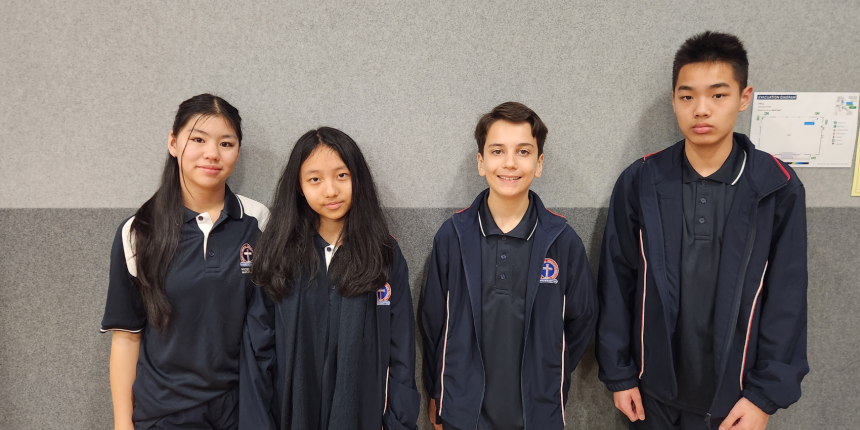
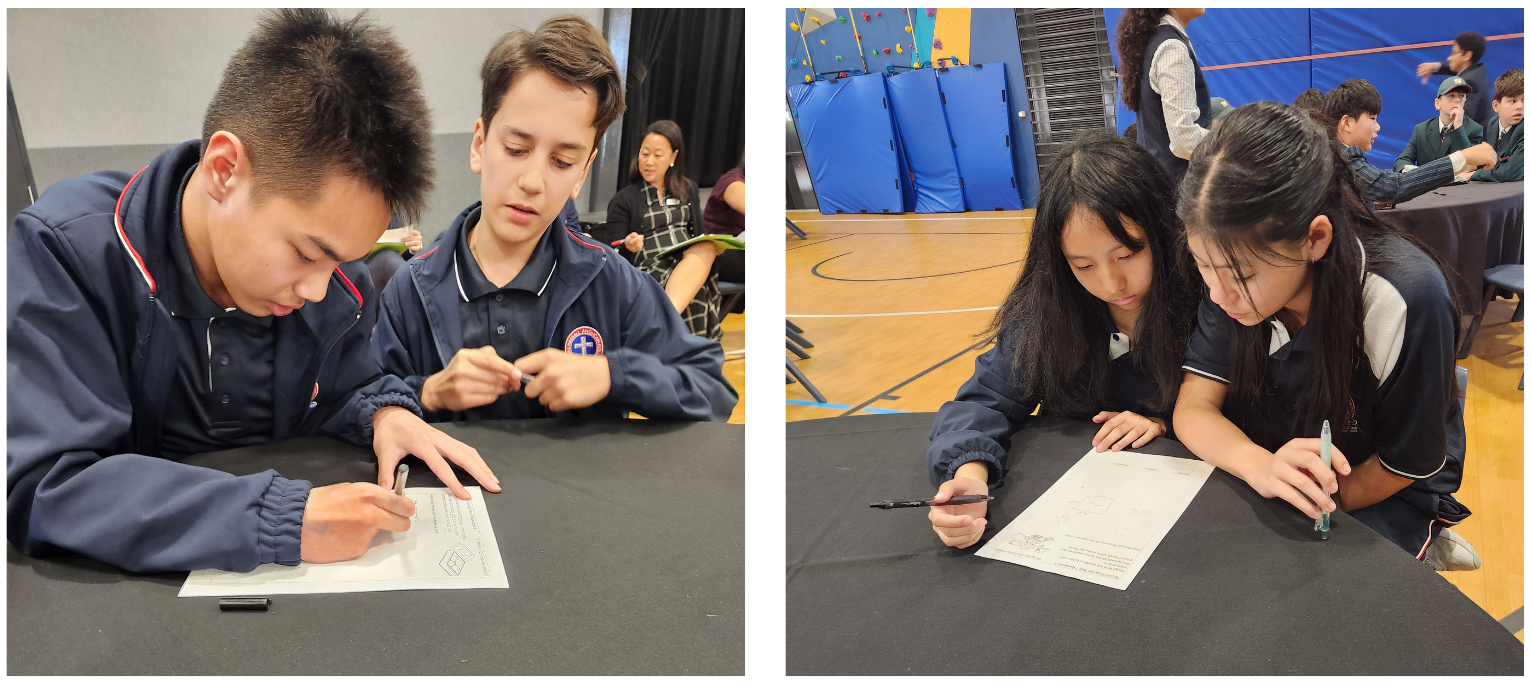
On Wednesday 17 June, Thomas Hassall Anglican College took two Year 7 and two Year 8 students to Richard Johnson Anglican College to compete against teams from a number of other schools in the HICES Maths Challenge. They participated in 3 different activities - the group challenge, the SWISS challenge and the relay challenge.

math

In the group challenge, Ikshum, Olivia, Noah and Daniel, had to work together to solve 4 problems at a time. Once 2 problems were solved, they were given the next set of 2 questions. There were a total of 24 questions to be completed in 45 minutes.

The SWISS challenge involved competing against one school at a time. Our students sat in alternate seats and had to determine the algebraic rule linking x and y in a table of values and therefore say what the next number should be. They had 5 seconds to say an answer before it was passed on to the next student from the other school.

For example, what numbers should be in the empty boxes below?

x 1 -15 7 8 -2 23
y 20.2 17 21.4      

The final challenge was the relay where our Year 7 students worked together to solve a problem to get the next question which our Year 8 students would then collaborate and solve. There were a total of 25 questions to be completed in 45 minutes.

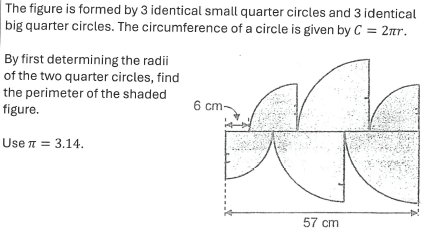
Here’s a sample Year 8 question. Can you solve it without your calculator?


math

Mr Andrew Lim
Senior School Teacher - Assistant Coordinator Mathematics


GREAT BARRIER REEF FIELDWORK EXPEDITION

Over the holidays, Year 11 and 12 Geography and Biology students travelled to Far North Queensland for a six-day Great Barrier Reef Fieldwork Expedition.

Throughout the trip, the Great Barrier Reef, Daintree Rainforest and local agricultural sites became living classrooms, providing students with valuable opportunities to deepen their understanding of biodiversity, conservation, sustainability and environmental change.

Students took part in a range of hands-on learning experiences, including snorkelling on the Great Barrier Reef, participating in reef restoration activities, conducting fieldwork at the Daintree Rainforest Observatory and visiting the Pacific Coast Eco Bananas Farm. These experiences allowed students to observe key geographical and biological concepts in action while developing practical fieldwork skills and gaining insight into the environmental challenges and management strategies shaping these unique ecosystems.

The expedition provided an authentic learning experience, enabling students to connect classroom theory with real-world environments while exploring one of the world's most significant natural wonders.

Senior School Sports Update

Term 2 MISA Sport Update

As we reflect on the many highlights from Term 2, I would like to extend a huge congratulations to all our students who represented the College in the Macarthur Independent Schools Association (MISA) sports competitions.

Our teams demonstrated exceptional sportsmanship and dedication throughout the season. Because of their hard work, our College is currently sitting in 6th place out of 15 schools in the overall standings. The competition is incredibly tight, with only three points separating us from 5th place!

Final Standings & Highlights

While every student should be proud of their contribution, we have some outstanding results to celebrate:

Softball

A big congratulations to our Boys 10–12 Softball team, who finished the season in 1st place!

Netball

Both our Boys and 10–12 Girls Netball teams performed brilliantly, finishing the season as Runners Up.

We also acknowledge the fantastic efforts of our Soccer (Boys & Girls 10-12), Rugby League (Boys 10-12), Basketball (Boys & Girls 7-9), Hockey (Boys 7-9), Ultimate Frisbee (7-9), and Dance teams.

MISA Players of the Term

Each term, we recognise individuals who have shown outstanding skill, leadership and commitment to their team. Congratulations to the following students. 

Soccer - Girls 10-12 Ishana M
Soccer - Boys 10-12 Romeo E
Rugby League - Boys 10-12 Nathan G
Netball - 10-12 Olivia E
Netball Boys Nathaniel D
Dance  Christina C
Ultimate Frisbee 7-9 Marcus R 
Div 1 - Boys Basketball 7-9 Theon D
Girls Basketball  Laura C
Div 2 - Boys Basketball 7-9 Yuvraj S
Boys Hockey  James S
Softball - Boys 10-12 Rylan M

We look forward to seeing our momentum continue as we aim to climb even higher in the rankings during Term 3! With that being said, all MISA Teams have been finalised and captains have been selected. I am looking forward to seeing the following students lead their respective teams this term. 

Upcoming Sporting Dates

Week 3 Wednesday 5 August CASA Football Boys 8-9 & 10-11
CASA Netball Girls
Week 4 Wednesday 12 August CASA Football Year 7 Boys, Girls 7-8 & 9-11
Week 5 Thursday 20 August CASA Athletics Carnival
Week 6 Wednesday 26 August CASA Year 7-9 AFL Gala Day

Mrs Irene Focas
Senior School Sports Co-ordinator

Co-curricularBack to Top

Gold Duke of Edinburgh Practice Adventurous Journey

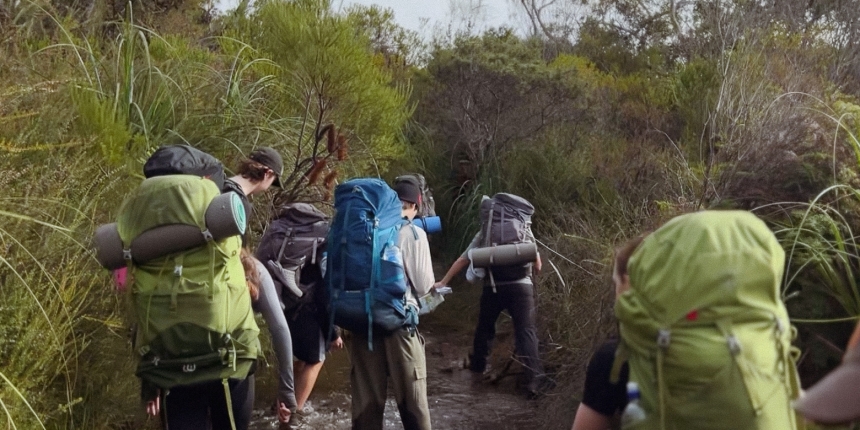
From Monday 29 to Tuesday 30 June, 28 of our Year 11 Gold Duke of Edinburgh students completed their Practice Adventurous Journey in Royal National Park. Students were either canoeing or hiking, depending on their chosen qualifying expedition. The purpose of the practice trip is to strengthen expedition skills, test fitness, build teamwork and enjoy the experience together.

Our canoeing group was joined by students and staff from Oran Park Anglican College. They paddled from Audley along the Hacking River, out into Port Hacking and around to the Bonnie Vale campsite. Canoeing brings its own mix of joys and challenges: students appreciated not having to carry all their gear on their backs (and even packed a few luxuries), while also learning the art of paddling in sync to keep their canoe heading in roughly the right direction. This group will take on the stunning Kangaroo Valley for their qualifying journey in December.


The hiking group began at Garie Beach and followed the Coast Track, taking in waterfalls, dramatic clifftop views, and wildlife along the way. Whales were spotted offshore, rainbow lorikeets squawked away, and a flock of black and yellow cockatoos circled overhead. This hike extends the Bronze qualifying journey that students undertook in Year 9, adding 10km of challenge across the two days.

Both groups came together at Bonnie Vale to relax and enjoy the campsite. The next morning, canoeists set off early to paddle back to Audley, while the hikers trekked through mud, hills, and winding bush tracks to finish at Loftus.

It was a rewarding trip that showcased resilience, experiential learning, and plenty of good humour. Our students have taken an important step in preparing for their qualifying journeys ahead.

Mr Dave Catto
Senior School Teacher & Duke of Edinburgh Leader

CommunityBack to Top

The Way we connect

The Way We Connect – Keeping Our Community Informed

If you have a question or suggestion, you can submit it using the form below. This will be a regular feature in our newsletter, helping to keep our community informed.

Please note that while not every submission will receive a direct reply, we will ensure recurring topics are addressed in a way that benefits everyone.

Got a question? Submit it via the button below—your input helps shape what we share!