
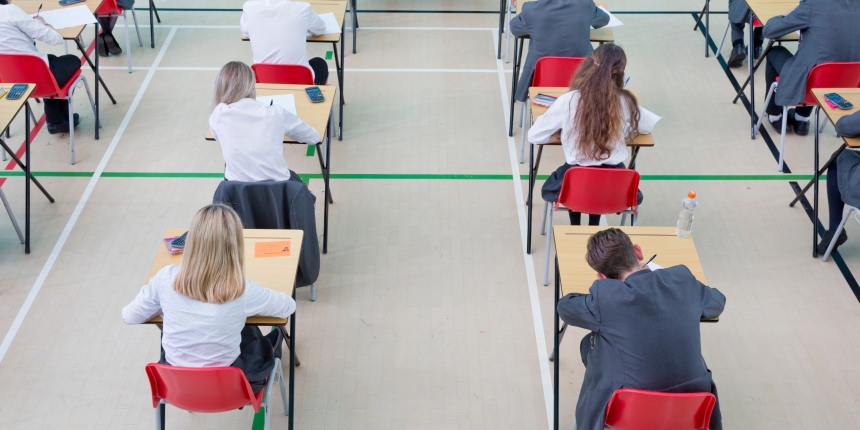
As Year 12 students across Sydney head into their trial exams, it’s completely natural for both teenagers and parents to feel the pressure. Trials are often the first time students experience a full exam block that mirrors the HSC, and the combination of high expectations, long study hours and uncertainty can create a stressful household.
Many parents feel their own tension rising alongside their child’s. It’s easy for parents to assume this stress is simply out of concern for their child’s future, but could it be that the pressure runs deeper? Is it possible that you are so invested in their academic performance because at some level their performance feels like a reflection of your parenting, your values, or even your identity? I strongly encourage you to reflect on this possibility. Understanding this dynamic is one of the most powerful ways to reduce stress at home.
The good news is that parents play a powerful role in reducing that stress - and in managing their own anxiety along the way.
1. Focus on encouragement, not pressure
Your child already knows these exams matter. What they need most is reassurance that their worth isn't tied to a mark. Parents can unintentionally increase pressure by frequently asking about study progress, predicting ATAR outcomes, or focusing heavily on results. Instead, acknowledge the effort they are putting in and remind them that trial exams are only one part of their educational journey. Phrases such as "I'm proud of how hard you're working" or "Just do your best" send a powerful message that your support is unconditional.
2. Create a calm, predictable home environment
During trial exams, students are often managing high levels of cognitive and emotional stress. A calm home environment can provide a much-needed refuge. Simple routines such as regular mealtimes, predictable household expectations, and minimising unnecessary conflict can help students feel more settled and focused. Parents can also support study by reducing distractions where possible and being flexible about non-essential commitments during the exam period.
3. Help them take healthy breaks
Many students push themselves too hard during trials, believing every spare moment should be spent studying. However, research consistently shows that rest is essential for learning, memory consolidation, and concentration. Encourage short walks, physical activity, screen-free breaks, proper nutrition, hydration and consistent sleep. Healthy breaks are not a waste of time, they help students return to study feeling refreshed and more productive.
4. Keep your own anxiety in check
It's natural for parents to feel concerned about their child's performance, particularly when the HSC feels so important. However, teenagers are highly attuned to parental emotions and can quickly absorb their parents' stress. Try to avoid repeatedly asking about marks, comparing your child with others, or closely monitoring every aspect of their study habits. If you find yourself feeling anxious, seek support from your partner, a friend, or another trusted adult rather than relying on your child for reassurance.
5. Stay connected without crowding them
Adolescents often want independence during stressful periods, but they still benefit greatly from feeling emotionally supported. Rather than constantly checking on their study, look for small opportunities to connect. A brief chat, sharing a meal together, driving them to school, or simply asking how they are coping can communicate care without adding pressure. Let them know you are available if they need support, while respecting their need for space and autonomy.
6. Model calm behaviour
Teenagers often take emotional cues from the adults around them. When parents respond to challenges with patience, perspective, and self-control, young people are more likely to do the same. Even if you are worried, try to project confidence in your child's ability to manage the demands of the trial period. Remaining calm, positive, and solution-focused helps create an atmosphere of reassurance and resilience, allowing your child to approach exams with greater confidence.
Trial exams are challenging, but they can also serve as a learning experience for students and parents alike. With calm support, realistic expectations, and a focus on wellbeing, families can navigate this period with far less stress and far more connection.
If you wish to access more detailed information, feel free to explore Surviving the Final Year in SchoolTV.
Mrs Jacoline Petersen
Director of Student Counselling.