
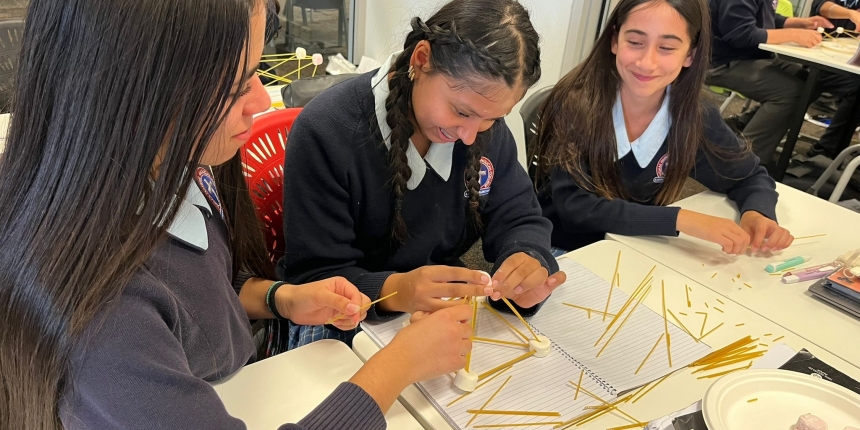
This term in Geography, our Year 8 students have been learning about natural hazards, with a focus on earthquakes and how communities can reduce risk and improve resilience. To deepen their understanding, students explored how science, engineering, and geography work together to manage the impacts of earthquakes in earthquake-prone regions around the world.
Students began by investigating how earthquakes occur and the risks they pose to people, infrastructure and cities. They then examined a range of structural engineering techniques used to make buildings safer during earthquakes, such as base isolation, cross-bracing, flexible materials and shock absorbers. Through case studies of cities in countries like Japan and New Zealand, students learned how thoughtful design can significantly reduce damage and save lives.
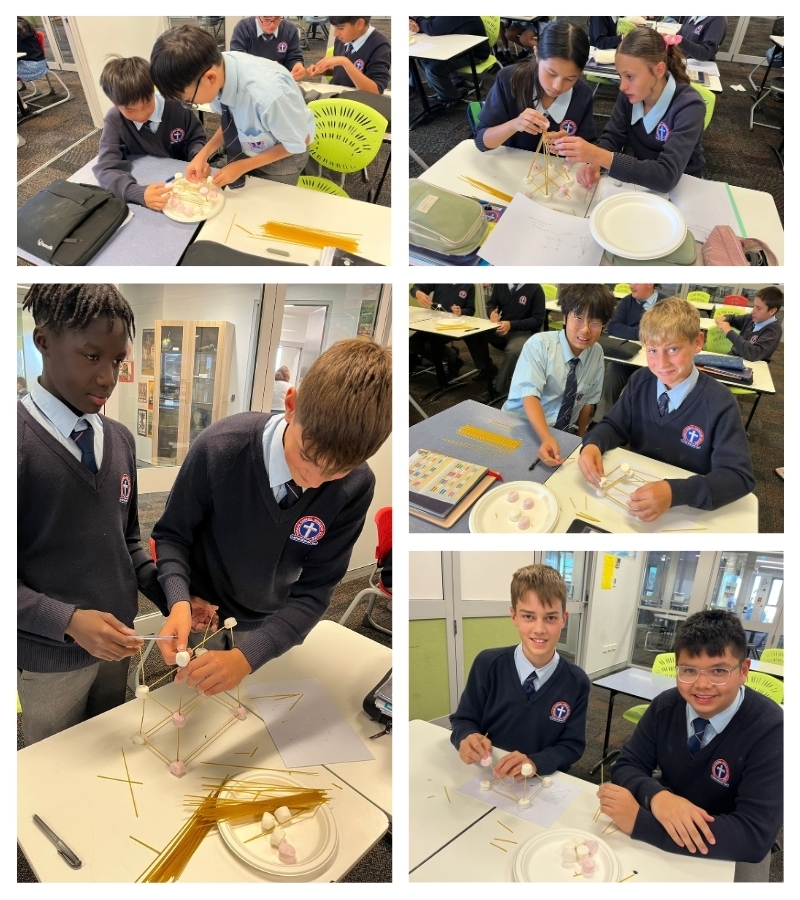
The highlight of the unit was a hands-on design challenge. Working collaboratively, students designed and constructed their own model buildings using a variety of materials. Each design had to balance stability, height and durability, while also considering real-world constraints faced by engineers.
Once completed, the buildings were put to the test on an earthquake simulator. Students observed how different designs responded to shaking, analysed which features were most effective, and reflected on how their models could be improved. The testing process encouraged problem-solving, resilience and critical thinking, as students refined their understanding of what makes structures more earthquake-resistant.
This engaging activity brought Geography learning to life and allowed students to apply theoretical knowledge in a practical and memorable way. It also highlighted the importance of planning, innovation and informed decision-making in creating safer and more sustainable communities.
We are very proud of the creativity, teamwork and enthusiasm shown by our Year 8 students throughout this learning experience.
Mrs Andrea Kemp
HSIE Coordinator - Social Science
