
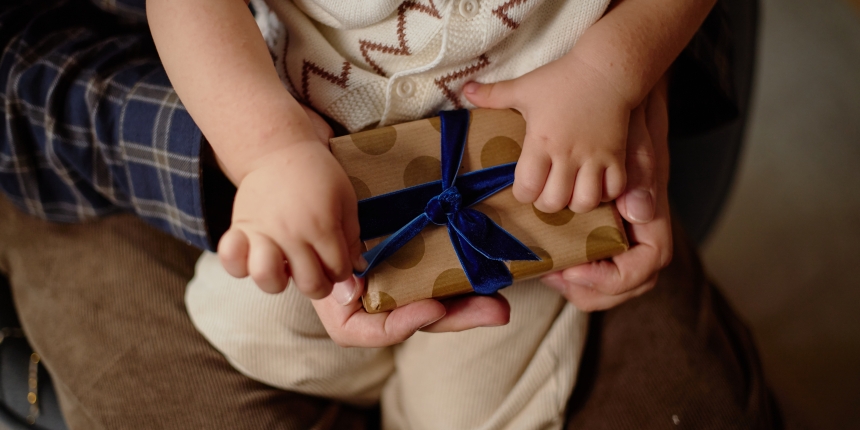
As Christmas approaches, many parents find themselves searching for the perfect gift. Shopping centres become busier, online wish lists grow longer, and conversations often turn to what children are hoping to find under the tree on Christmas morning. Beneath the excitement, however, lies something much deeper. Most parents are not simply buying a toy, a piece of technology, or a special experience. They are trying to communicate a message to their child:
"You matter to me. I know you. I love you."
The desire to give meaningful gifts is a beautiful expression of parental love. Parents spend hours comparing options, saving money, wrapping presents, and imagining the delight on their child's face when the paper is torn away. The gift itself becomes a symbol of something much larger. It is an attempt to make love visible.
Yet, Christmas also provides an opportunity to reflect on another gift that children need just as much, if not more: the gift of connection.
The Gift Children Never Outgrow
Psychologists have long understood that children are wired for attachment. From the moment they are born, children seek closeness with the people who care for them. This need is not simply emotional; it is deeply biological. Human beings are designed to survive and thrive through relationships. When children feel securely connected to their parents, they experience greater emotional security, resilience, confidence, and wellbeing.
Attachment research consistently shows that what children need most is not perfect parenting, expensive possessions, or constant entertainment. What they need is the reassuring experience of knowing that the important adults in their lives are emotionally available, interested in them, and delighted by them.
This does not mean Christmas gifts are unimportant. Gifts can be wonderful expressions of love. They can communicate thoughtfulness, generosity, and care. However, the most treasured memories from childhood are rarely centred on the item itself.
Ask an adult about a cherished Christmas memory and they are far more likely to describe baking cookies with a parent, staying up late playing board games, laughing around the dinner table, camping by the beach, or feeling a sense of togetherness and belonging. They remember the feeling of the experience long after they have forgotten many of the presents they received.
Children often forget what they got, but they remember how they felt.
For more information on Connection click on the button below:
Mrs Jacoline Petersen
Director of Student Counselling